
Kidney Stone Treatment in Bangalore
Kidney Stone Treatment in Bangalore
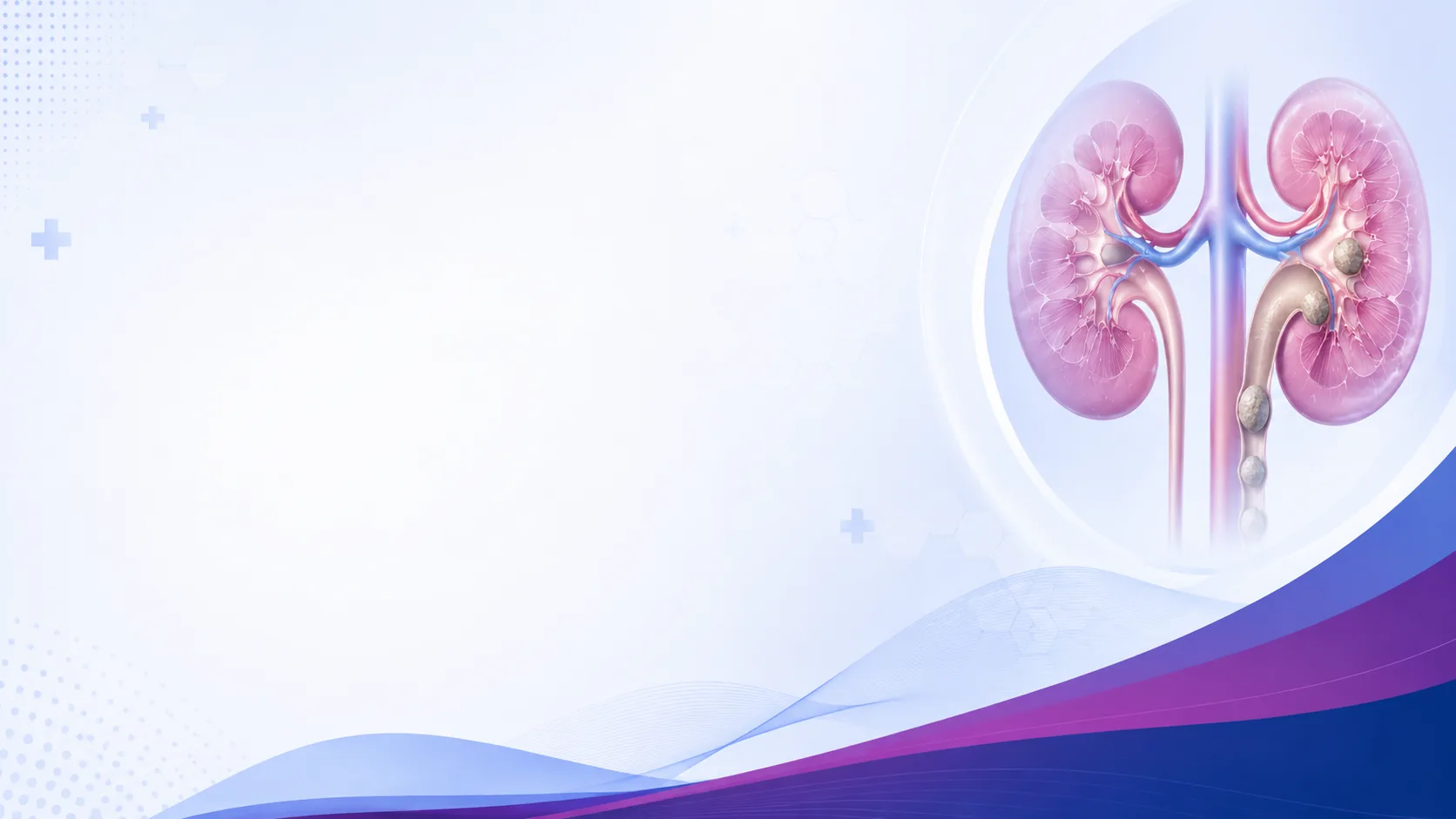
Kidney stones are one of the most common urological conditions, affecting people of all ages. They develop when minerals and salts in the urine crystallise and form hard deposits inside the kidneys. While some small stones may pass naturally, larger stones can cause severe pain, urinary obstruction, infections, and kidney damage if left untreated. Early diagnosis and appropriate treatment are essential to prevent complications and preserve kidney health.
At Joshi Andrology & Urology Centre, we provide comprehensive evaluation and kidney stone treatment in Bangalore using advanced diagnostic techniques and minimally invasive procedures. Our goal is to identify the underlying cause of kidney stones and recommend the most suitable treatment based on the stone's size, location, and composition.
A thorough diagnosis helps determine the size, location, and type of kidney stone. Investigations may include urine analysis, blood tests, ultrasound scan, CT KUB scan, X-ray (when required), and stone analysis after removal.
If you are experiencing symptoms of kidney stones or recurrent stone formation, early consultation with a qualified kidney stone specialist in Bangalore can help protect your kidney health and improve your quality of life.
Common Signs & Symptoms
Treatments We Offer
URS (Ureteroscopy)
Endoscopic removal of stones in the ureter with no external incisions.
RIRS (Retrograde Intrarenal Surgery)
Flexible ureteroscope and laser to remove kidney stones without external incisions.
PCNL (Percutaneous Nephrolithotomy)
Minimally invasive removal of large or complex kidney stones through a small incision in the back.
Laser Kidney Stone Removal
Laser fragmentation for precise, minimally invasive clearance of stones.
Medical Management for Stone Prevention
Increased fluid intake, medication, and dietary guidance to help small stones pass and prevent recurrence.
Frequently Asked Questions
What are the common symptoms of kidney stones?
When should I consult a kidney stone specialist in Bangalore?
What causes kidney stones?
How are kidney stones diagnosed?
Can kidney stones be treated without surgery?
What is RIRS and when is it recommended?
What is PCNL surgery?
Can kidney stones come back after treatment?
Why choose Joshi Andrology & Urology Centre for kidney stone treatment?
How can I prevent kidney stones?
Why Choose Us
- Comprehensive kidney stone care, from diagnosis to treatment and long-term prevention
- Personalised treatment plans
- Advanced urological technology
- Evidence-based care
- Patient education to reduce the risk of stone recurrence
Related Urology Services
Prostate Disorders Treatment in Bangalore
Advanced, personalised care for prostate enlargement (BPH), prostatitis, and prostate-related urinary issues at Joshi's Andrology and Urology Hospital, Sahakar Nagar, Bangalore.
Reconstructive Urology Treatment in Bangalore
Simple and complex reconstructive surgery across the upper and lower urinary tract — urethroplasty, pyeloplasty, bladder reconstruction, fistula repair, vasoepididymal anastomosis, and vasectomy reversal.
Urinary Tract Infection Treatment in Bangalore
Comprehensive evaluation and management of simple and complicated UTIs — culture-guided antibiotics, imaging when indicated, and long-term prevention for recurrent infections.